Table of Contents
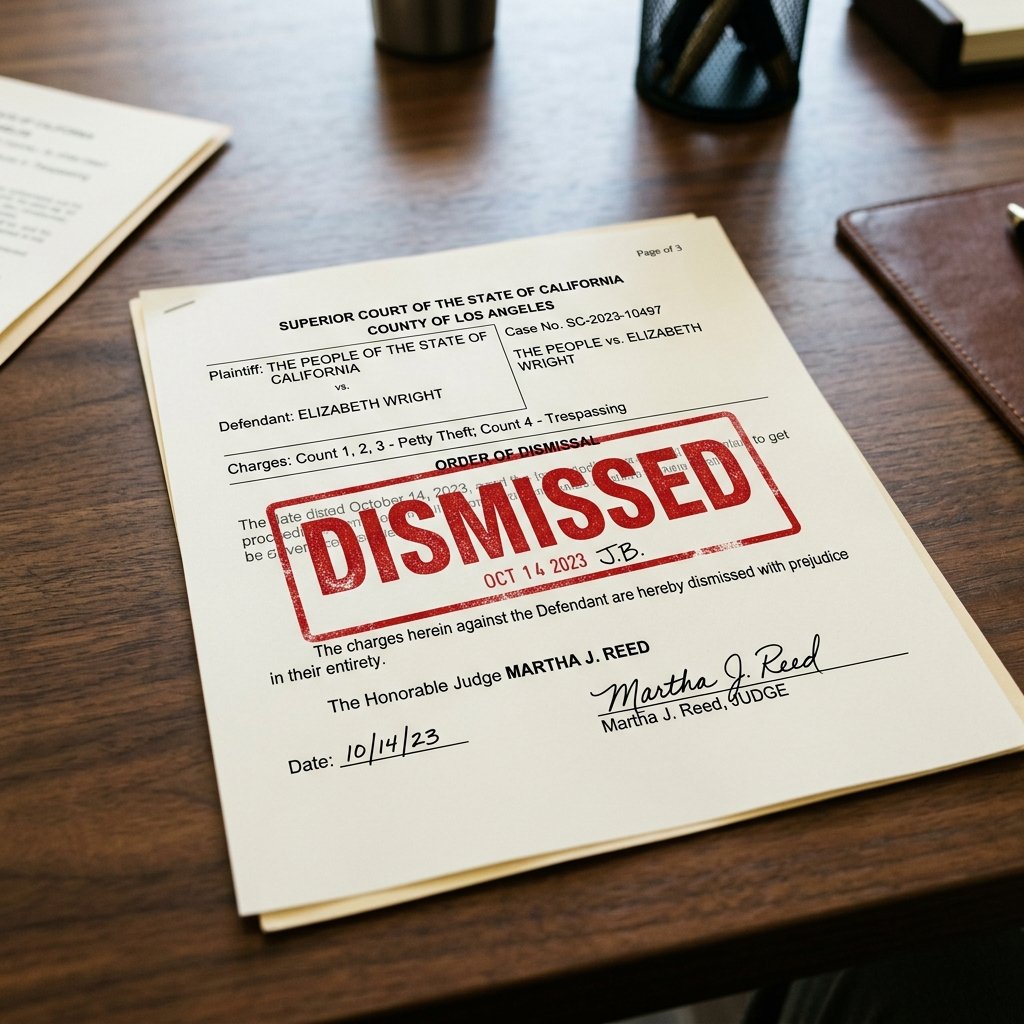
You went to court, you stood before the judge, and you heard the magic words: "Case Dismissed." You walked out of the courthouse believing the ordeal was finally over. But months later, an employer pulls a background report, and there it is in black and white. If you are asking, "Can dismissed charges appear on background checks?" the unfortunate and frustrating answer is: Yes, they absolutely can.
One of the most dangerous legal misconceptions in the United States is the belief that if you are not convicted of a crime, your record is automatically wiped clean. In reality, the arrest record and the court filing take on a life of their own, often causing as much damage to your career as an actual conviction.
The Myth of "Innocent Until Proven Guilty"
The phrase "innocent until proven guilty" applies inside a courtroom. When a jury is deciding whether to send you to prison, the burden of proof is entirely on the state. However, outside the courtroom, in the court of public opinion and corporate HR departments, the standard is very different.
When you are arrested, a public record is created. When the district attorney officially files charges against you, another public record is created. These records are entered into the county clerk's database.
Even if the district attorney later realizes they have the wrong person, or a judge throws the case out due to lack of evidence, those original records of the arrest and the charge do not vanish. They simply receive an update at the very bottom of the file reading: "Disposition: Dismissed."
Why Dismissed Charges Show Up
Private background check companies (like Checkr, HireRight, and GoodHire) make their money by scraping and aggregating public court data.
When an employer pays $30 for a background check on you, the company queries their database for your name and date of birth. Because your arrest record is a public document, the algorithm grabs it and slaps it onto the report.
A compliant background check company will include the final disposition (showing that the case was dismissed or that you were found not guilty). However, predatory data brokers and sloppy background check companies often scrape the initial arrest data but fail to update their systems with the final dismissal. This leaves you looking like you have an open, pending criminal case.
Turn a dismissal into an erasure.
If your case was dismissed, you are highly likely to qualify for an immediate expungement to destroy the arrest record entirely.
Check Eligibility InstantlyWhat Employers Actually Think
Imagine you are an HR manager sitting at a desk, reviewing two identical resumes. Both candidates have great interviews. You run background checks on both.
Candidate A's report comes back completely blank.
Candidate B's report shows an arrest for felony theft three years ago, but the disposition says "Dismissed."
Legally, the HR manager is not supposed to discriminate against Candidate B for an arrest that didn't lead to a conviction. The Equal Employment Opportunity Commission (EEOC) heavily frowns upon using non-convictions to deny employment.
Practically, however, human nature takes over. The HR manager might wonder: "Did they actually do it, but got off on a technicality? Did the witness just fail to show up?" Rather than risk hiring a potential liability, the HR manager simply chooses Candidate A, telling Candidate B that they "went in a different direction."
It is unfair, it borders on illegal, but it happens thousands of times a day.

The 7-Year Rule for Non-Convictions
There is a federal limit to how long this dismissed charge can haunt you. As detailed in our guide on how far back background checks go, the Fair Credit Reporting Act (FCRA) prohibits Consumer Reporting Agencies from reporting non-convictions (arrests, dismissed charges, acquittals) that are older than seven years.
The seven-year clock starts on the date of the arrest. Once seven years have passed, standard background check companies must legally drop the arrest from your report.
However, seven years is a long time to put your career on hold. Furthermore, this rule does not apply to government security clearances, law enforcement jobs, or jobs with salaries over $75,000 (unless you live in a state with stricter consumer protection laws).
How to Permanently Fix a Dismissed Record
You should not have to suffer the consequences of a crime you were not convicted of. The only way to guarantee a dismissed charge does not ruin a job opportunity is to legally erase the underlying arrest record.
Because your case was dismissed, you are in the strongest possible position to request a legal expungement.
In almost every state, if the charges against you were dropped, dismissed, or you were found not guilty, you are eligible to have the arrest record expunged immediately, without the long statutory waiting periods required for actual convictions.
Once the judge signs the expungement order for your dismissed charge, the court will direct the police department and state repositories to destroy the arrest record and booking photo. If a background check company attempts to pull your file, the clerk will legally reply that no such record exists.
Don't let a dismissal hold you back.
Clear the arrest record completely. Use our automated system to generate the paperwork required to expunge your dismissed charges.