Table of Contents
When a past mistake is standing between you and a new job, a better apartment, or a professional license, every day feels like an eternity. The decision to pursue an expungement is often accompanied by an urgent need for results. The most frequent question our legal experts receive is: "How long does expungement take?"
The unsatisfying—but entirely honest—lawyer's answer is: It depends.
It depends on the state where you were convicted, the severity of the charge, the backlog of the specific county courthouse, and whether the district attorney decides to contest your petition. However, we can break this timeline down into predictable phases to give you a clear, realistic expectation of how long you will be waiting for your fresh start.

The Two Clocks: Statutory vs. Administrative
To understand the timeline, you must realize there are actually two different "clocks" at play when it comes to expungement.
The first clock is the Statutory Waiting Period. This is the mandatory amount of time the law requires you to wait after completing your sentence before you are even allowed to file the paperwork.
The second clock is the Administrative Processing Time. This is the time it takes the legal system to physically process your petition, hold a hearing, and issue an order after you have officially filed.
The Statutory Waiting Period
Before you can ask a judge to clear your record, you must prove that you have been rehabilitated. State legislatures measure rehabilitation in years of clean living. The clock for this waiting period almost always starts after you have completed your entire sentence, which includes serving time, finishing probation or parole, and paying all fines and restitution.
Here is a general breakdown of common statutory waiting periods across the United States:
- Dismissed Charges / Not Guilty: Usually, there is no waiting period. If you were acquitted or the charges were dropped, you can file for expungement or sealing immediately.
- Misdemeanors: Typically requires waiting 1 to 3 years after the completion of your sentence, provided you have not been arrested or convicted of any new crimes during that time.
- Non-Violent Felonies: Generally requires waiting 3 to 7 years after sentence completion. Some states require 10 years for specific higher-level felonies.
- Violent Felonies / Serious Offenses: As discussed in our guide on what felonies cannot be expunged, these often carry a lifetime ban, meaning the waiting period is forever.
Is your waiting period over?
Different states calculate the start date differently. Let our system check if you are eligible to file right now, or exactly what date you become eligible.
Check My TimelineThe Administrative Processing Time
Once you have survived the statutory waiting period and officially filed your petition with the court, the administrative clock begins. This is where patience is truly tested, as the timeline is entirely at the mercy of the government bureaucracy.
On average, the administrative process takes between 3 to 6 months from the date of filing to the day the judge signs the order. However, in severely backlogged counties (especially in major metropolitan areas), this can stretch to 9 or even 12 months.
Here is what happens during those months:
- Filing and Notice (1-4 weeks):Your attorney or automated service files the petition with the clerk of court. Copies must be formally served to the District Attorney, the arresting police agency, and the state's department of justice.
- The Review Period (30-90 days):The law grants these agencies a specific amount of time (often 30 to 60 days) to review your petition, run a fresh background check to ensure you haven't committed new crimes, and decide whether they want to object to the expungement.
- The Hearing (Scheduled 1-3 months out):Many states require a formal hearing before a judge. Due to crowded court dockets, getting a hearing date scheduled can be the longest delay in the process. If the District Attorney does not object, some judges will sign the order in chambers without requiring you to appear in court, which speeds things up significantly.
Common Reasons for Delays
The 3-to-6-month average assumes everything goes perfectly. Unfortunately, minor errors can derail the timeline. The most common reasons for administrative delays include:
- Incomplete Paperwork: A misspelled name, an incorrect case number, or failing to attach the required certified court disposition can result in the clerk rejecting the petition outright. You must then fix the error and start the 30-day review clock all over again.
- Unpaid Fines: If the court discovers you still owe $50 in court costs from a decade ago, the judge will deny the petition. You must pay the fine and refile.
- District Attorney Objections: If the DA objects (often because they believe the crime was too severe, or you haven't shown sufficient rehabilitation), a contested hearing is required. This requires more preparation and often longer scheduling delays.
How to Speed Up the Process
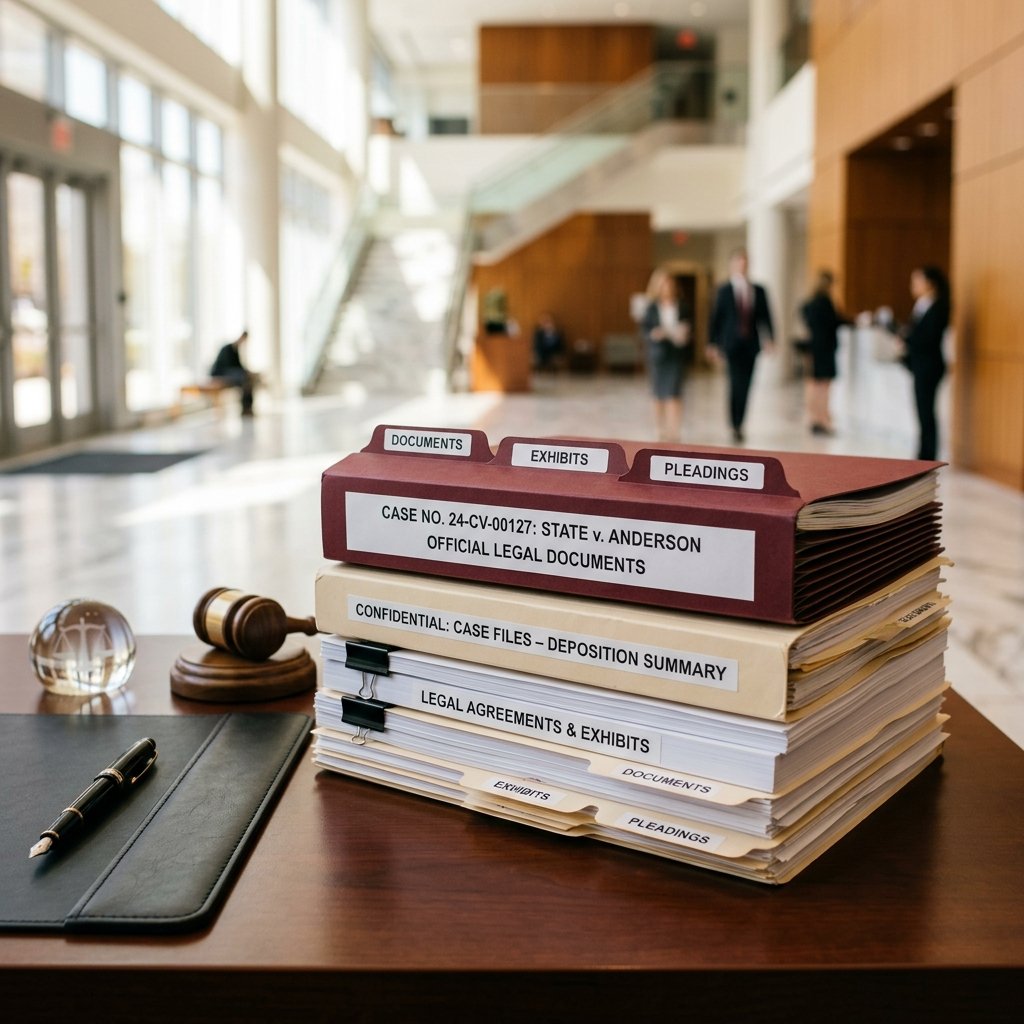
While you cannot control the judge's calendar, you can control the quality and speed of your filing. The best way to expedite an expungement is to ensure it is filed perfectly the first time.
Working with an expert or utilizing an automated legal tech platform like ExpungePro ensures that all required case numbers are pulled directly from state databases, all statutory waiting periods are mathematically verified, and all necessary agencies are properly served on day one. Eliminating clerical errors is the single most effective way to shave months off your timeline.
What Happens After the Judge Signs?
Even after the judge bangs the gavel and signs the order granting your expungement, you are not entirely finished.
The clerk of court must distribute the signed order to the relevant government agencies (state police, FBI, local sheriff). It typically takes these agencies 30 to 60 days to update their internal databases. Until they do, a government background check will still show the record.
More importantly, as discussed in our guide on what employers see, private background check companies are notoriously slow at updating their systems. If you want to apply for a job immediately, you should proactively send a copy of your signed expungement order to the major background check companies (Checkr, HireRight) to force them to clear your name from their proprietary databases.
Don't wait another day.
The administrative clock doesn't start until you file. Find out instantly if you are eligible to begin the process today.