Table of Contents
When you begin the journey of clearing your past, you will immediately encounter two legal terms that are often used interchangeably by the public: Expungement and Record Sealing. While both achieve the goal of helping you pass a standard background check, they are legally distinct processes with different levels of permanence.
Understanding the difference between expungement and record sealing is critical because it dictates exactly who can still see your past, how you answer questions on job applications, and what legal protections you actually have.

The Core Difference: Deletion vs. Hidden
The easiest way to understand the difference is to think about a digital file on your computer.
Expungement is like dragging the file to the trash bin and permanently emptying the trash. The file is legally destroyed. It no longer exists.
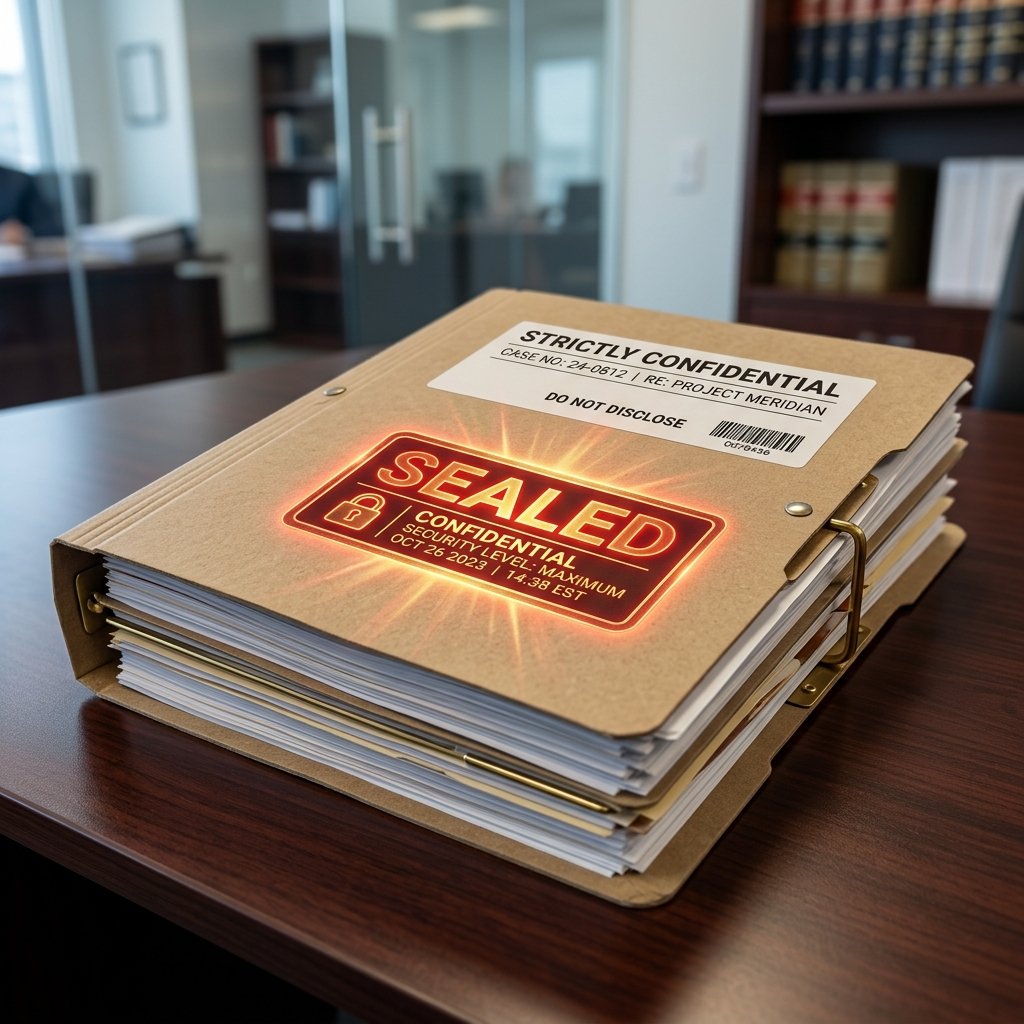
Record Sealing is like putting the file in a hidden folder and password-protecting it. The file still exists, but the general public—including standard employers and landlords—does not have the password. Only certain government entities hold the key to unlock it.
What is Expungement?
Expungement is the most complete form of criminal record relief available. When a judge signs an Order of Expungement, they are directing all state and local agencies (courts, police departments, state repositories) to physically destroy or completely obliterate the record of the arrest or conviction.
The legal effect is profound. In the eyes of the law, the event never happened. If you are placed under oath in a civilian court and asked if you have ever been convicted of a crime, you can legally answer "No." (Note: there are exceptions for federal proceedings and security clearances).
Because expungement is so absolute, it is generally reserved for lower-level offenses, first-time offenders, or cases that resulted in a dismissal or acquittal. State legislatures are often hesitant to allow the total destruction of records for more severe crimes.
Find out which option applies to you.
You don't need a law degree to know if your record can be expunged or sealed. Our system analyzes your specific state laws instantly.
Start Free Eligibility CheckWhat is Record Sealing?
Also known in some states as an "Order of Nondisclosure," record sealing removes your criminal history from public view without actually destroying the record itself.
When your record is sealed, the clerk of court restricts access to the file. If a private background check company searches for your name, the court will respond as if no record exists. Standard employers, apartment complexes, and nosy neighbors will not be able to find your history.
However, the record remains intact and accessible to specific groups:
- Law Enforcement: Police officers, prosecutors, and the FBI will always be able to see a sealed record. If you are arrested again, the sealed conviction can be used to enhance future penalties.
- State Licensing Boards: If you apply for a medical license, a teaching certificate, or admission to the State Bar, the licensing agencies typically have statutory authority to peer behind the seal.
- Immigration Officials: The federal government does not recognize state-level record sealing for immigration purposes. Sealed convictions must still be disclosed on visa and citizenship applications.
Which One Should You Choose?
In almost every circumstance, you do not actually get to "choose" between the two. The law in your specific state dictates which remedy applies to your specific charge.
Some states (like Texas) rely heavily on Orders of Nondisclosure (sealing) for convictions, reserving true expunctions only for arrests that did not result in a conviction. Other states (like California) use a process colloquially called expungement (PC 1203.4 dismissal) that functions more like a hybrid—it dismisses the conviction but doesn't physically destroy the record.
If the law gives you an option, you should always aim for Expungement first. It offers the most comprehensive protection. If your charge falls into the category of what felonies cannot be expunged, your attorney will pivot to requesting that the record be sealed.
What Do Employers Actually See?
For the average person applying for a civilian job (retail, corporate tech, marketing, construction), the practical result of both expungement and record sealing is identical: The employer sees nothing.
The danger lies in private data brokers who scrape court data before your record is sealed or expunged. Even if a judge seals your file today, a private website might still be hosting your mugshot from three years ago. This is why a complete fresh start requires both legal filing and online reputation management to force private companies to honor the court's order.
Taking Action on Your Record
The terminology can be confusing, but the end goal is the same: getting your life back. Whether the law allows your record to be shredded into a million pieces or locked in a hidden vault, the result is the freedom to pass a background check and secure the opportunities you deserve.
Ready to find out what you qualify for?
Stop guessing whether you need an expungement or a nondisclosure. Our platform handles the complex legal logic for you.